

榮獲第19屆「中華民國傑出建築師獎」,由內政部政務次長董建宏(左)頒發獎項。.jpg)
Architect Tai-Wen Ho, an alumna of CYCU’s Department of Architecture and Ph.D. Program in Design, was honored with the 19th R.O.C. Outstanding Architect Award, one of Taiwan’s highest official honors in architecture, at an award ceremony recently hosted by the Ministry of the Interior.
Ho has devoted her career to cultural heritage conservation and the restoration and revitalization of historic buildings. Guided by the concept of “restorative resilience design,” she uses architectural practice to reconnect the natural environment, historical memory, and human relationships embedded within a place. Her achievements have earned widespread recognition from the architectural community and reflect CYCU’s distinctive approach to architectural education, which emphasizes humanistic values, professional practice, and social responsibility.
榮獲第19屆「中華民國傑出建築師獎」,於典禮現場與內政部政務次長董建宏(中)及合作夥伴林雅萍建築師(左)合影。.jpg)
The R.O.C. Outstanding Architect Award is one of Taiwan’s highest official honors in the field of architecture. This year, three architects, including Tai-Wen Ho, received the award. The ceremony was officiated by Tung Chien-Hung, Deputy Minister of the Interior.
In her acceptance remarks, Ho said, “This honor is rooted in the humanistic education and professional inspiration I received from CYCU’s Department of Architecture. The passion, humility, and environmental awareness cultivated during my years at CYCU have sustained me throughout more than two decades of architectural practice and cultural heritage conservation.”

According to the National Land Management Agency, Ministry of the Interior, Architect Tai-Wen Ho has dedicated her career to the conservation, restoration, and adaptive reuse of cultural heritage. She is widely recognized for her ability to transform historic buildings through spatial storytelling, allowing architecture to serve as “living museums” that preserve and communicate the memories of place.
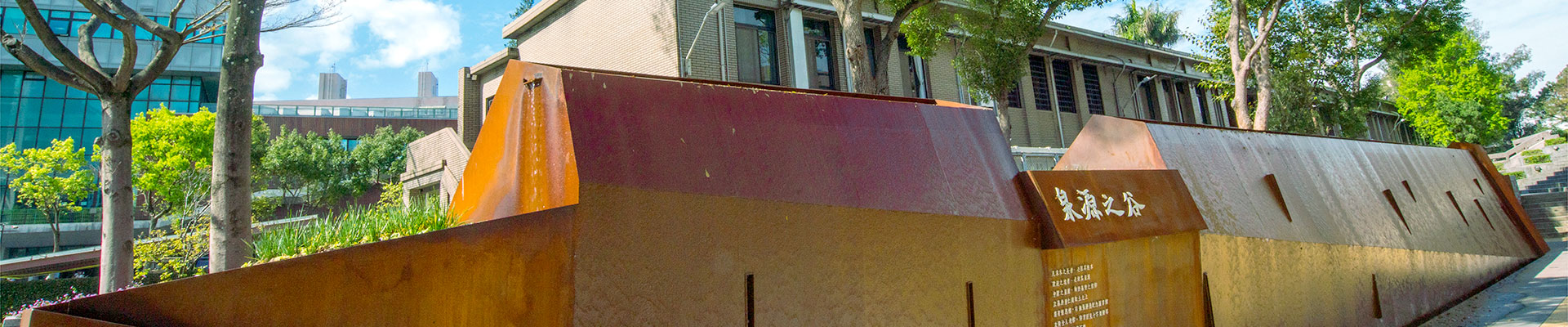
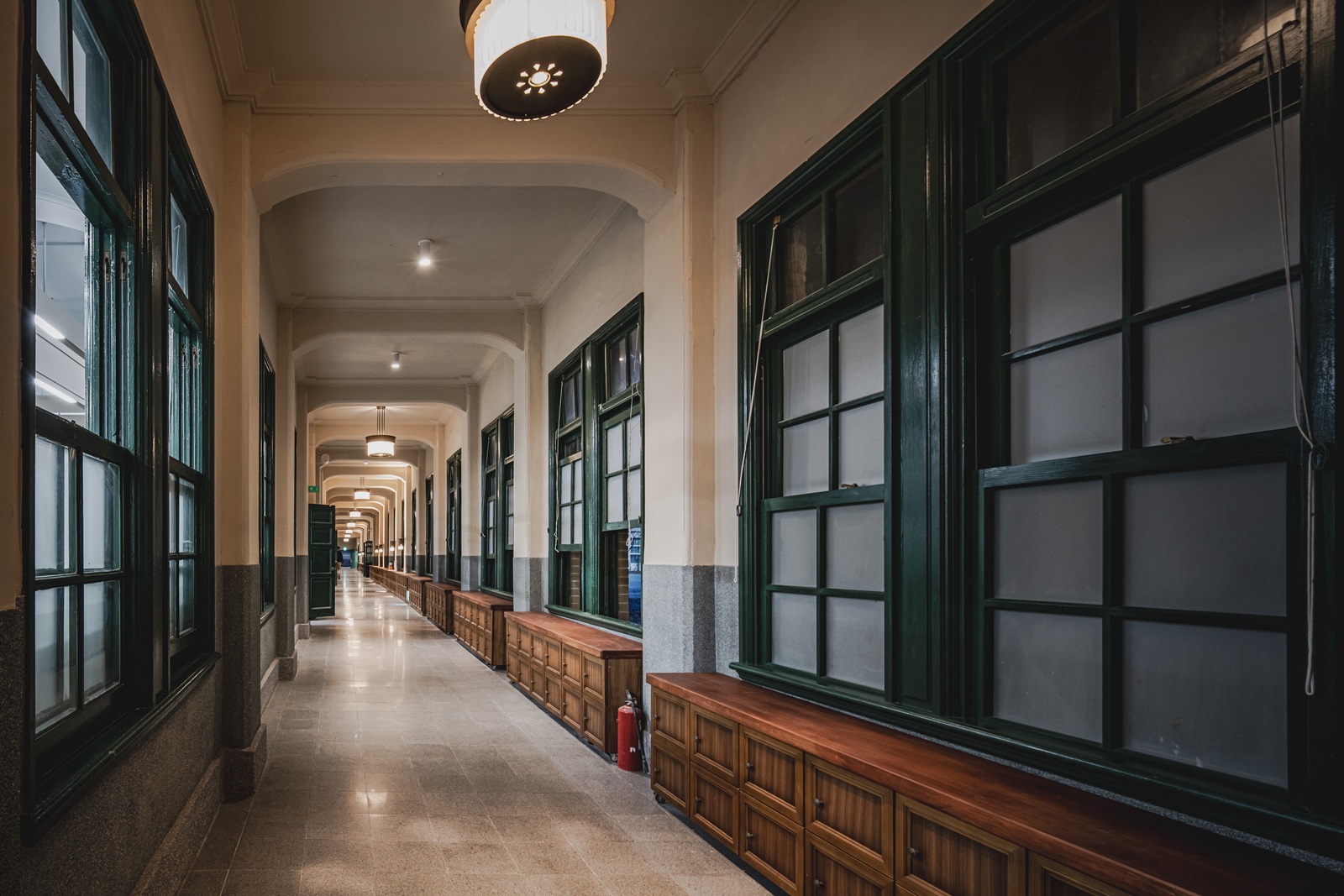
Ho believes that architectural restoration extends beyond technical intervention—it is a process of restoring the memories, emotions, and lived experiences embedded within a place. Her representative projects include the Restoration and Adaptive Reuse of Bade Zhongzheng Hall and the Restoration of Guangfu Building at Taipei First Girls High School, both of which exemplify her commitment to preserving Taiwan’s architectural and cultural heritage.
等三位建築師獲得本屆殊榮,專業成就與社會貢獻備受肯定。.jpg)
Ho graduated first in overall design performance from CYCU’s Department of Architecture in 1999. Her award-winning graduation project, Modern Noah’s Ark, introduced spatial storytelling as a design approach, inspiring her to view architecture as a means of reconnecting people, place, and collective memory.
After graduation, Ho worked on projects ranging from post-earthquake reconstruction and urban planning to cultural heritage restoration. She returned to CYCU to pursue a Ph.D. in Design, which she completed in 2022. Her research developed a restorative design approach that extends heritage conservation to restoring landscapes, historical memory, and human relationships.
Ho’s restoration projects have received multiple national awards, and she has also served as a co-founder and former president of the Taiwan Women Architects Association, continuing to advance architectural practice, heritage conservation, and public engagement.
Since 2012, Ho has returned to CYCU as an adjunct faculty member in the Department of Architecture, mentoring students and supervising graduation projects. She described teaching at her alma mater as one of the most rewarding parts of her career and hopes to continue bringing professional experience and interdisciplinary perspectives into architectural education while inspiring future architects to engage with communities and the built environment.
Yu-Chin Chen, Dean of the College of Design at CYCU, praised Ho’s longstanding contributions to cultural heritage conservation and historic preservation. Through her teaching and professional practice, she encourages students to explore the relationships between history, place, and people, demonstrating how architecture can play a meaningful role in preserving cultural heritage and strengthening community connections.