



Focusing on cutting-edge fields such as artificial intelligence, smart computing, and electronic technologies, Chung Yuan Christian University (CYCU) hosted the 2026 International Summer Program on Project Design and Practice from July 31 to August 20. The program brought together more than 90 faculty members and students from Japan, the Philippines, Malaysia, the United States, and Belgium.
Now in its fourth year, the international summer program marked a new milestone by welcoming KU Leuven in Belgium and Northern Arizona University in the United States for the first time, further extending CYCU’s international academic partnerships to Europe and North America.

Jointly organized by CYCU’s College of Electrical Engineering and Computer Science and College of Smart Computing and Quantum Information, this year’s program was the first international summer initiative co-hosted by the two colleges. Centered on electrical and electronic engineering, information technology, and smart computing, the curriculum covered topics including marine energy, electronic engineering, and artificial intelligence.
Through English-taught courses, hands-on laboratory sessions, team-based projects, and project competitions, participants were encouraged to move beyond classroom learning and apply theoretical knowledge in practical settings. The program provided students with opportunities to strengthen their technical capabilities while developing interdisciplinary problem-solving and international teamwork skills.

CYCU Vice President Tsung-Yuan Wu noted that, in addition to continuing partnerships with universities in Japan, Malaysia, and the Philippines, this year’s participation of KU Leuven and Northern Arizona University represented another step forward in expanding CYCU’s global academic network. By bringing together faculty and students from diverse countries and academic backgrounds, the program enabled participants to engage with different perspectives, exchange ideas across cultures, and build meaningful international connections.

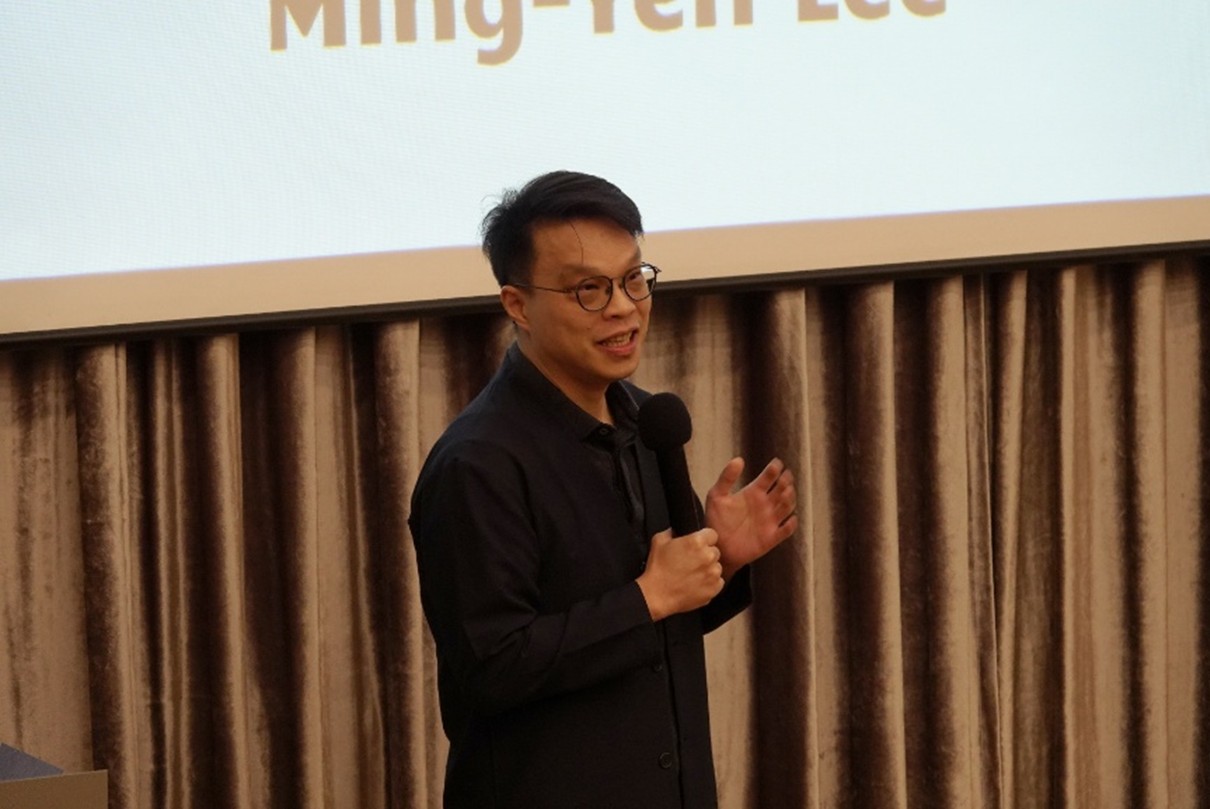
CYCU International Affairs Director Ming-Yen Lee noted that the international summer program serves not only as a platform for professional learning and hands-on training, but also as an important setting for cross-cultural exchange and mutual understanding. Working together in an English-language environment, students from different countries must communicate across linguistic and cultural differences throughout academic discussions, team collaboration, and final presentations. This process transforms international exchange from simple participation into a shared learning experience.
During the program, international students visited CYCU’s Nano and Optoelectronic Device Physics Laboratory, where they gained hands-on experience with research equipment and learned about laboratory practices and technology applications under the guidance of faculty members and CYCU students. Participants also worked in teams on project-based assignments and competitions, discussing real-world problems, dividing responsibilities, and presenting their results. Through this collaborative process, students exchanged professional perspectives and drew on diverse cultural and academic backgrounds to develop a broader range of approaches to problem-solving.

In addition to academic courses and laboratory training, the program included cultural visits and exchange activities that introduced international participants to Taiwan and campus life at CYCU. By studying, discussing, and conducting projects alongside international peers and faculty, CYCU students also gained opportunities to engage with students from different countries on campus. Through everyday learning and collaboration, they strengthened their cross-cultural communication skills and gained valuable international and multinational teamwork experience without having to study abroad.

CYCU continues to advance internationalization and interdisciplinary learning by using its international summer program to connect partner universities across Asia, Europe, and North America. The participation of universities from Belgium and the United States for the first time not only broadened CYCU’s global network, but also opened new opportunities for joint teaching, academic exchange, and talent development. Moving forward, the College of Electrical Engineering and Computer Science and the College of Smart Computing and Quantum Information will continue to integrate resources across disciplines, with AI and smart technologies at the core, to expand international learning opportunities and strengthen global engagement and interdisciplinary talent cultivation.